

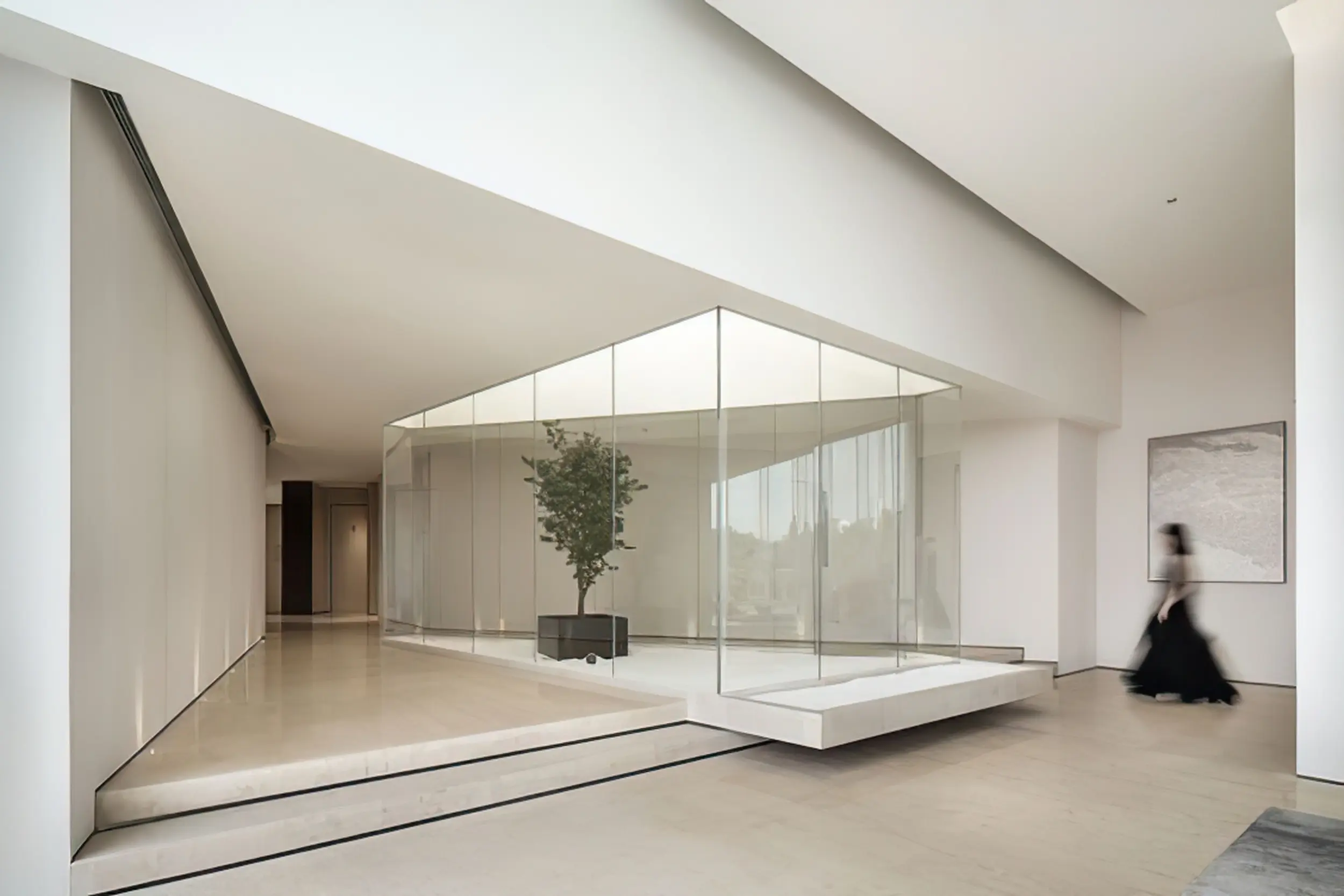
Every era of architecture has its materials and methods.
For centuries, timber frames and heavy door assemblies set the tone for entrances and windows. They were grand, functional, familiar, and charming. But as modern tastes look toward sleeker, lighter, and more minimal architecture, traditional systems no longer fit the job.
Today, more and more architects are choosing slim aluminium systems for their projects, and there’s a clear reason. These are frames engineered with precision so fine that they practically vanish, leaving behind uninterrupted light, views, and scale.
The choice between traditional window/door systems and slim aluminium ones is less about personal taste and more about architectural intent. Do you want the frame to hold the attention, or would you rather let the view, the material palette, and the geometry speak for itself?
Before you make your choice, here’s what you have to know.
Traditional door and window systems have been the norm for centuries. They offer a sense of comfort, familiarity, and nostalgia. But, for those who prefer modern, minimal, and open-space designs, slim aluminium systems may be the better choice. With clean lines, slim profiles, and long-term durability, it’s becoming a popular choice for architectural projects.
Traditional window and door systems—often made with timber or standard aluminium—can carry a sense of permanence and weight. But, those same qualities can limit architectural flexibility.
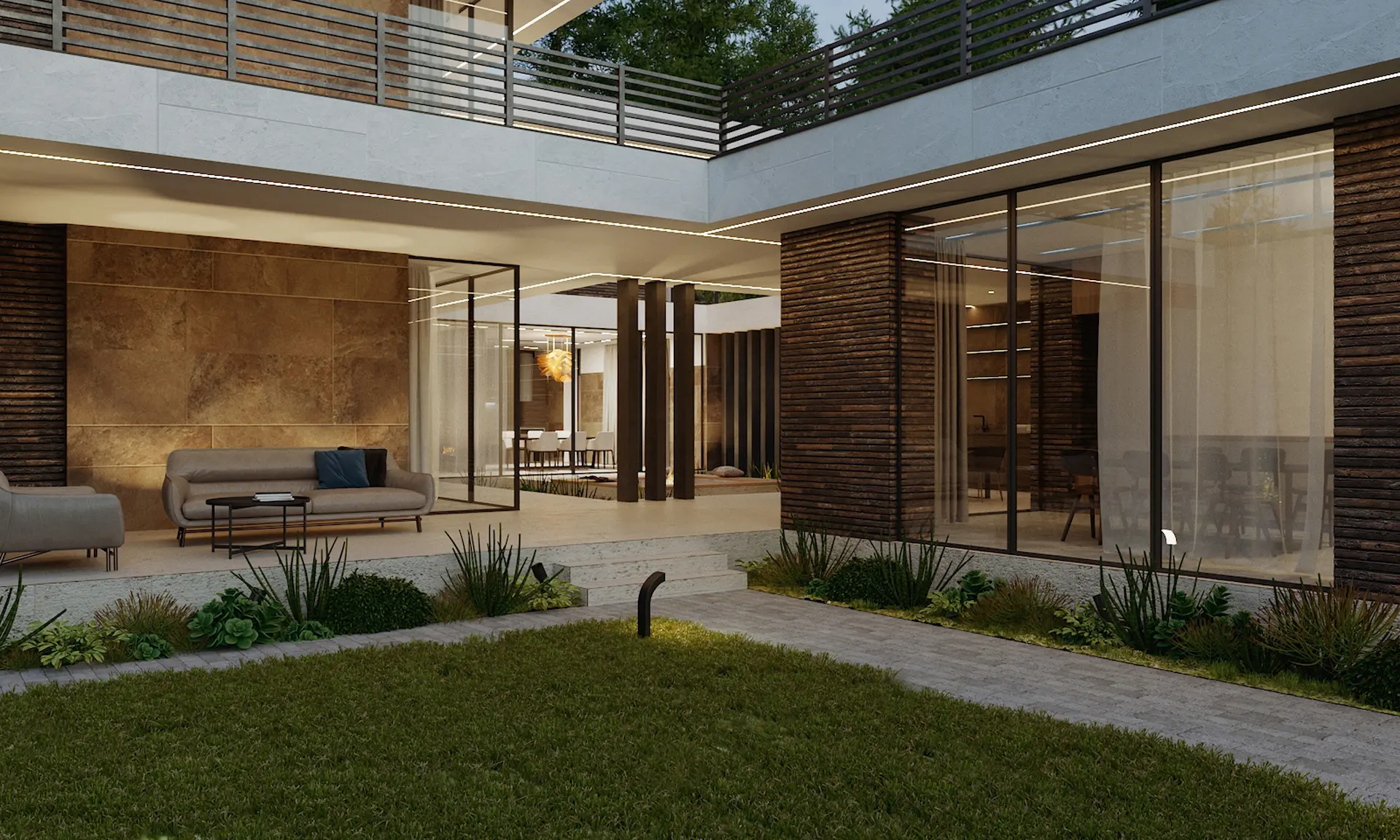
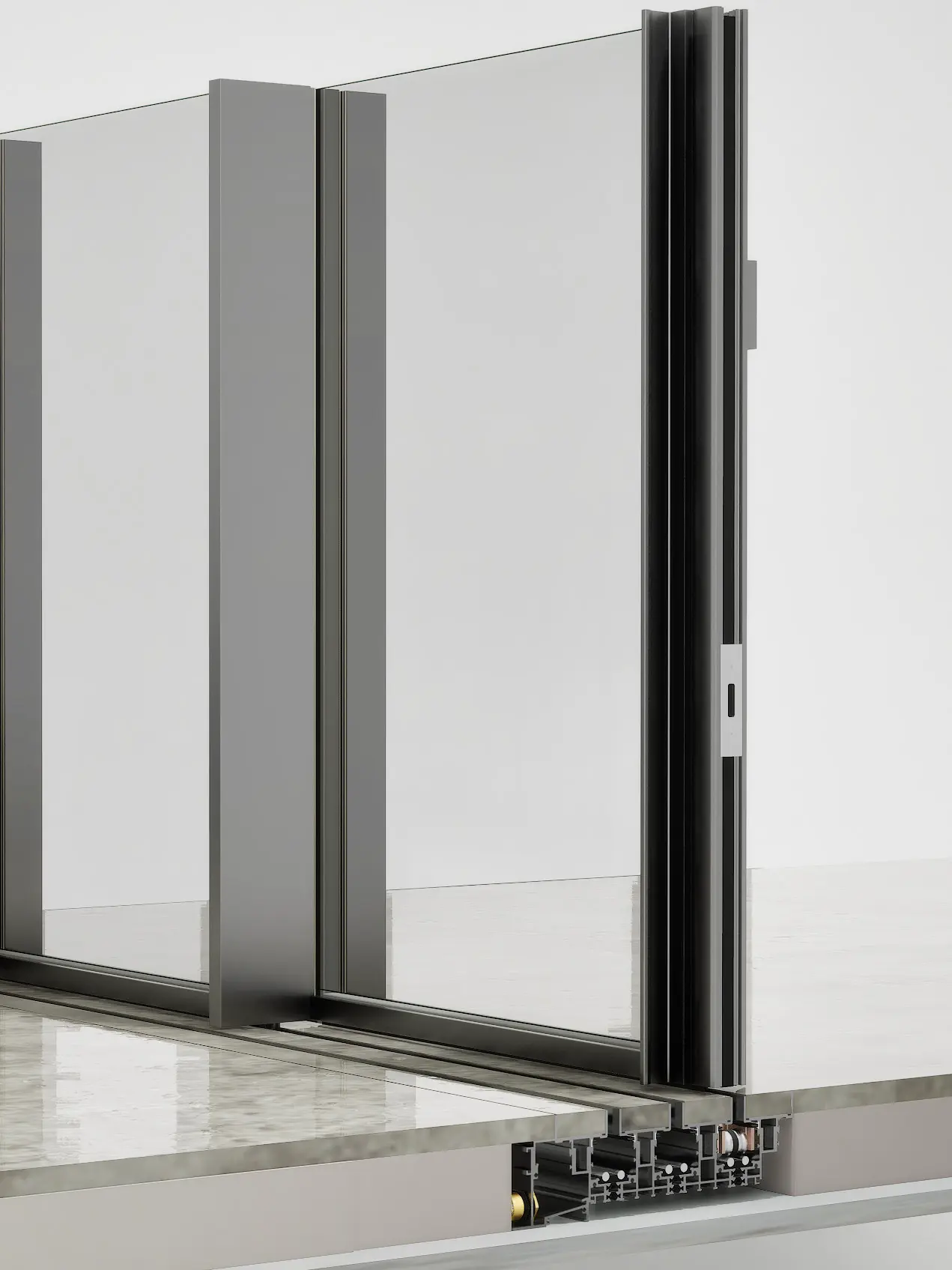
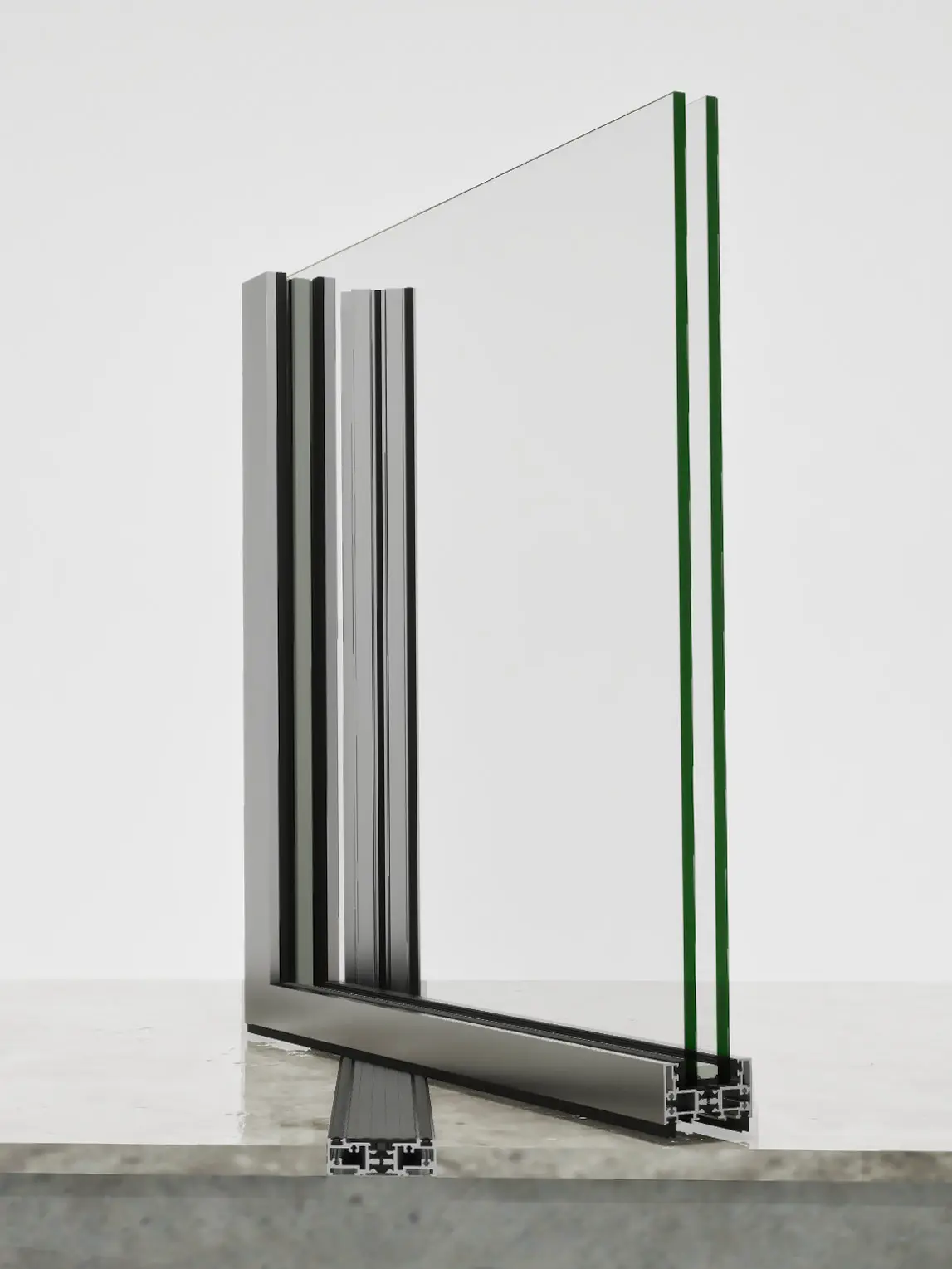
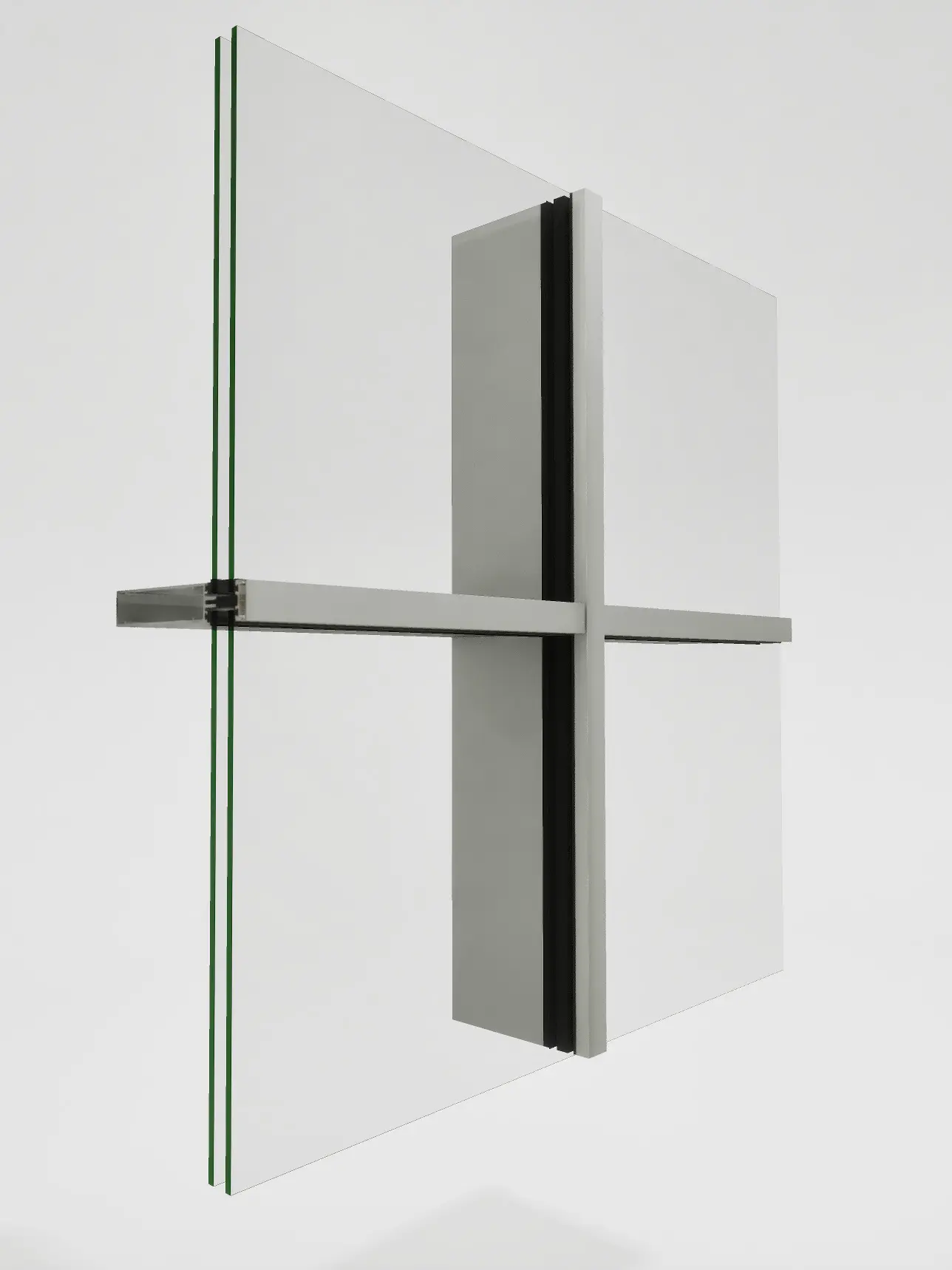
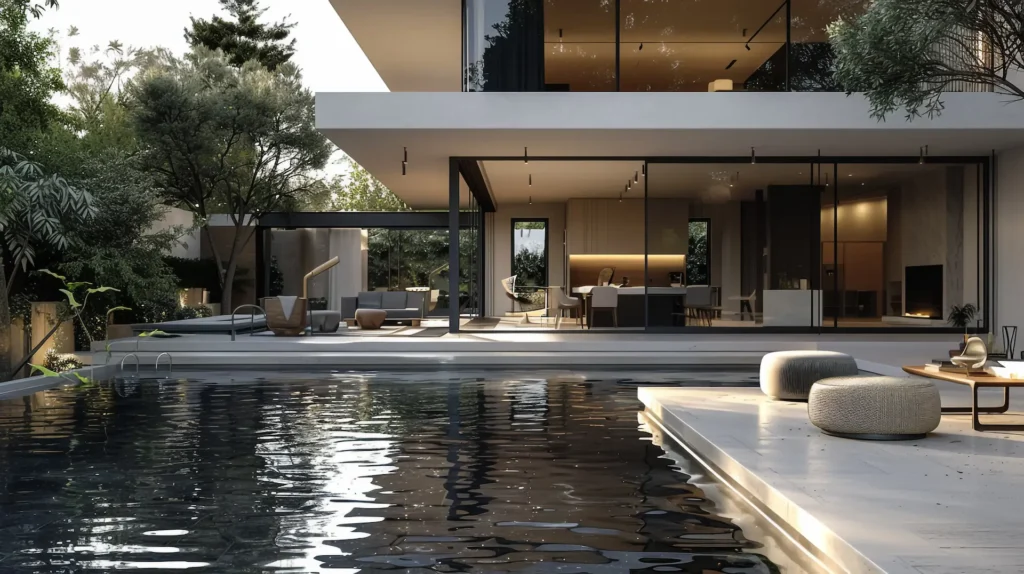
Slim aluminium systems, on the other hand, are built to disappear. With profiles as narrow as the EXPANSE sliding doors (20–22 mm) and the TRIO curtain walls (35 mm), the emphasis shifts from frame to view.
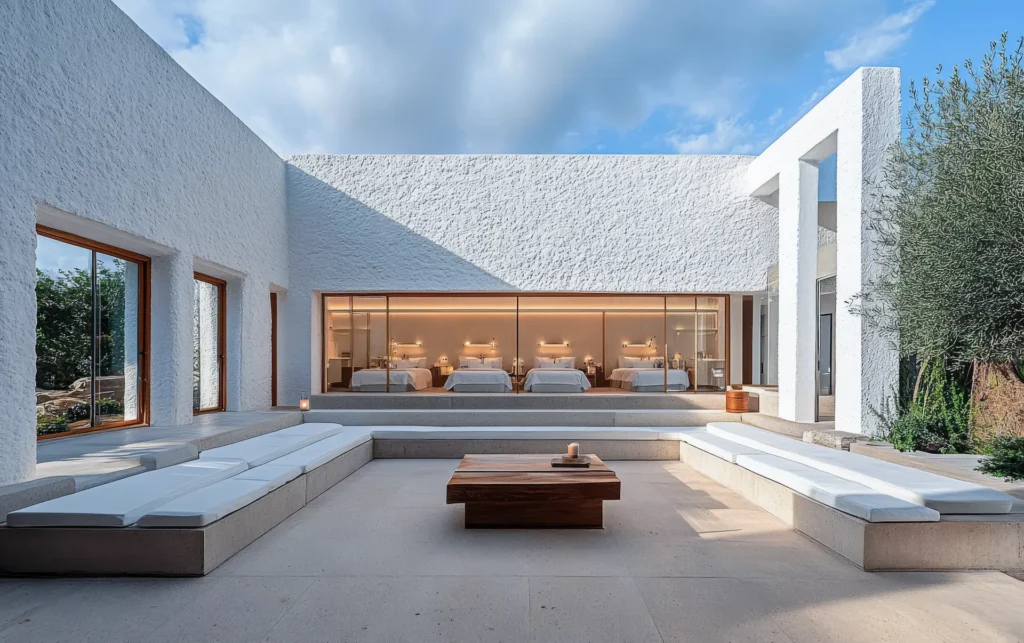
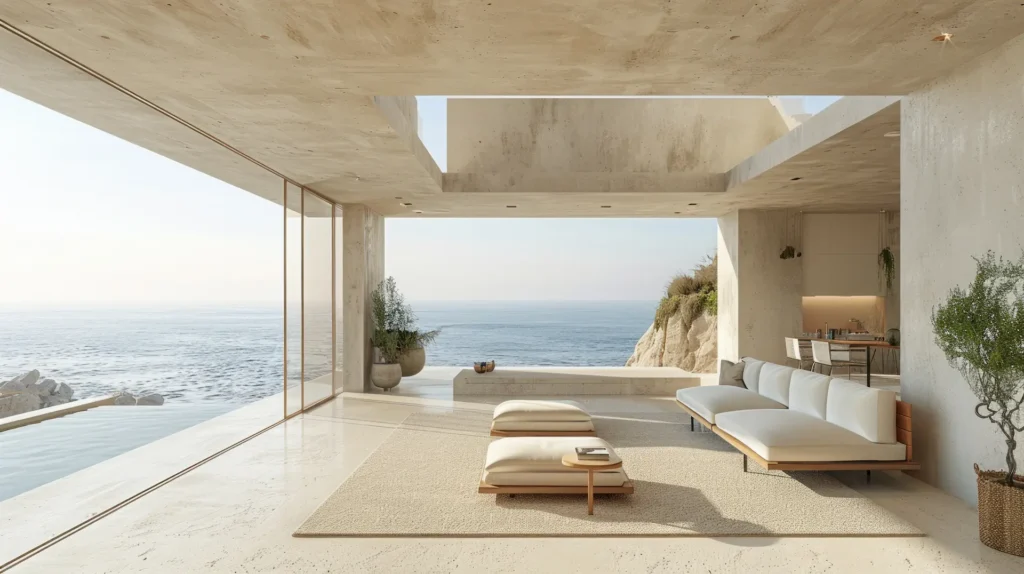
Glass dominates, daylight floods in, and the boundary between inside and outside softens into something almost imperceptible.
This isn’t just a visual trick.The elegance lies in the engineering. These systems balance structural strength with minimal material presence, supporting vast spans of glass while maintaining a light, refined look. The result is luxury defined not by ornament, but by clarity and restraint.
Pros:
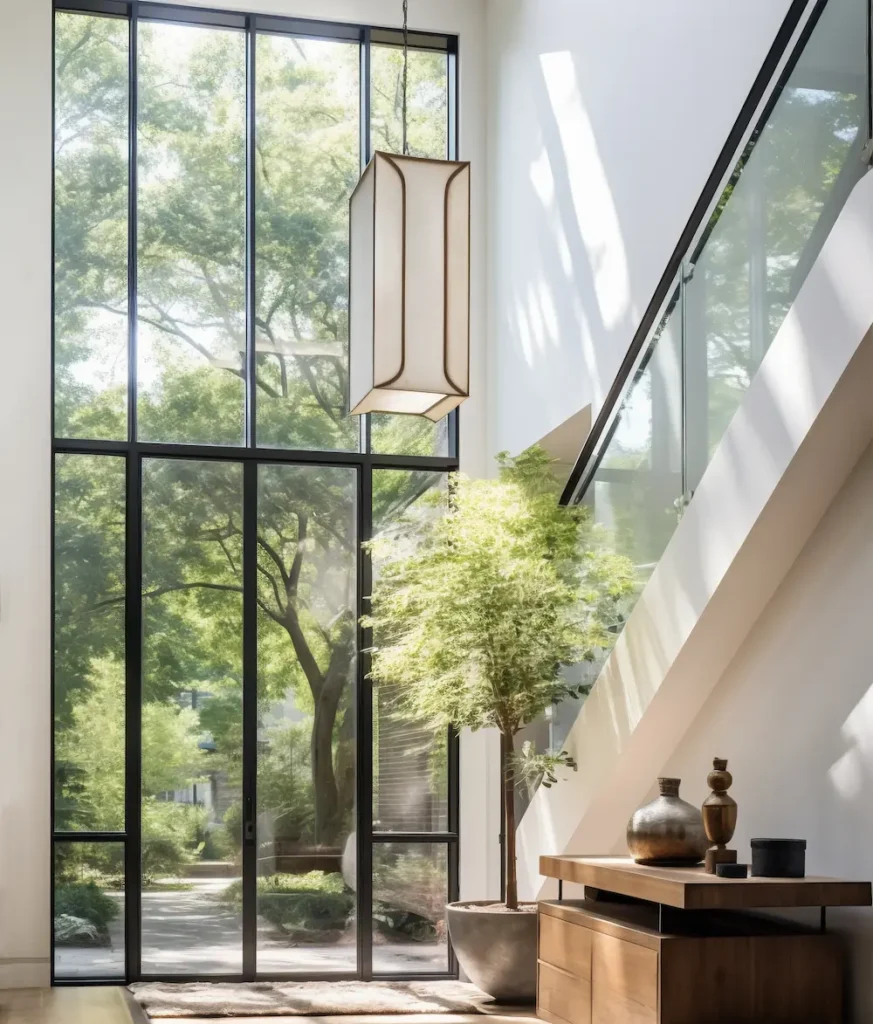
Slim aluminium systems represent almost the opposite approach. Profiles as narrow as 20–22 mm in sliding doors and 35 mm in curtain walls let glass dominate, flooding interiors with light and opening façades to uninterrupted views. For projects where transparency and indoor-outdoor living are priorities, this clarity feels like luxury itself.
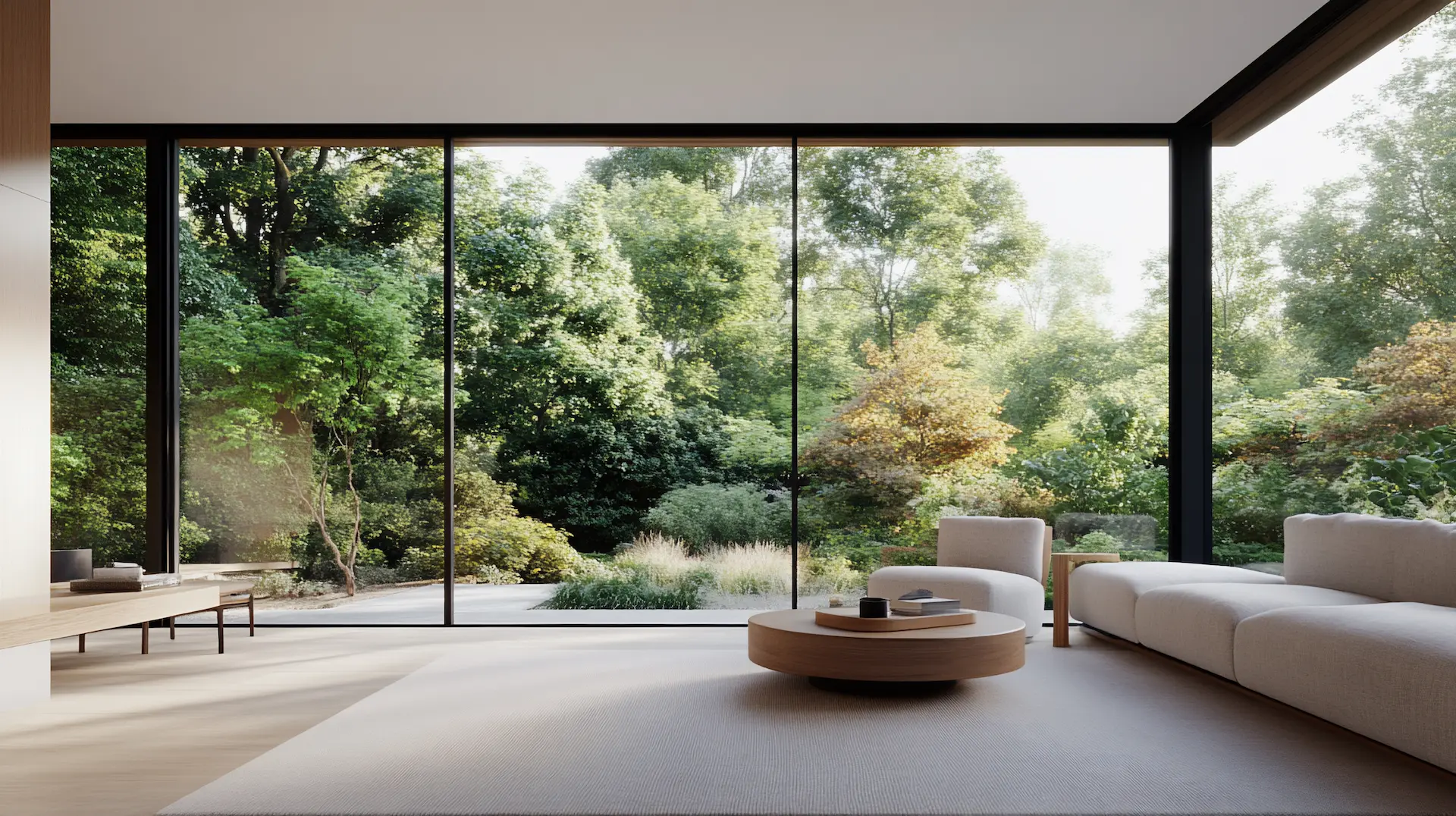
And the engineering is robust. Systems like EXPANSE, a slim sliding door platform, handle panels up to six meters high and 18 m² in size, yet glide silently with ease. The ALTA Pivot door system allows entrances up to 5.5 meters tall and 500 kilograms in weight, turning the front door into an architectural statement. The TRIO curtain wall system supports expansive glass façades with minimal sightlines, integrating drainage and ventilation invisibly into the profile.
Cons:
Of course, slim systems can come at a cost. Their technical sophistication often means higher upfront investment compared to traditional frames. Installation requires precision, and replacement or repair may demand specialized expertise. For heritage projects, their minimal aesthetic can feel at odds with the architectural language. In other words: while slim aluminium excels in contemporary design, it isn’t a universal fit.
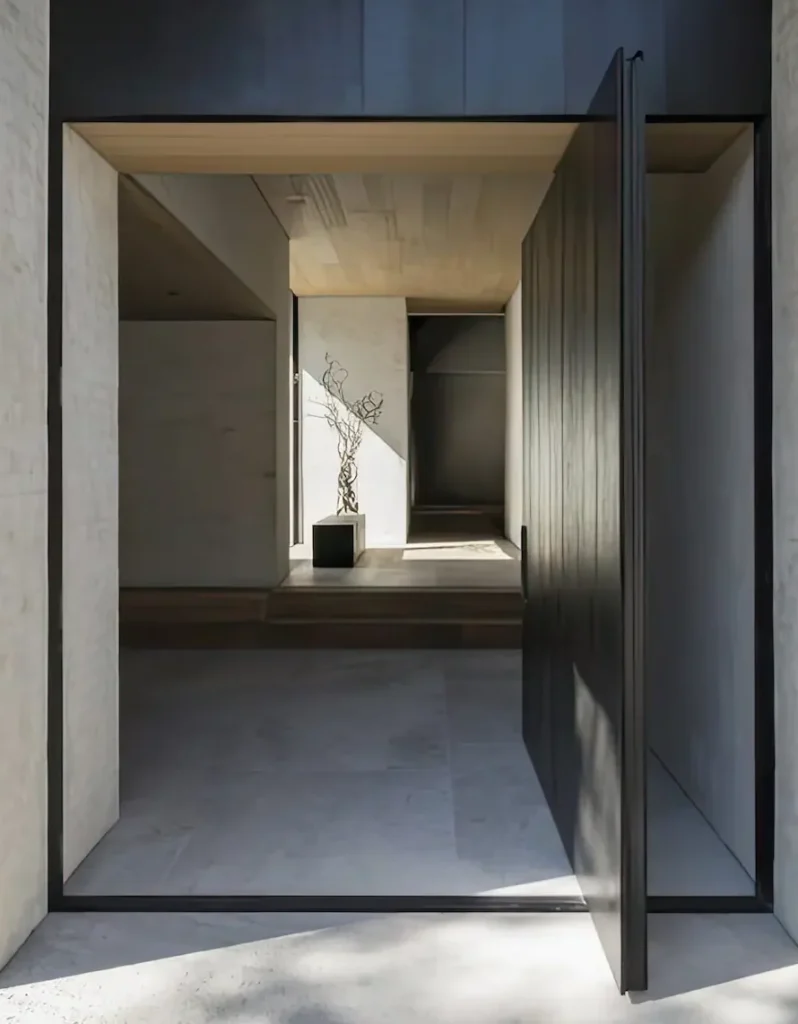
One of the clearest distinctions between traditional frames and slim aluminium systems is scale. Traditional doors and windows tend to max out quickly, constrained by their materials and mechanics. Slim systems, by contrast, embrace the monumental.
Take EXPANSE, for example. This slim-frame sliding door system supports panels up to six meters high, spanning 18 square meters, and weighing as much as 1,000 kilograms with motorized operation. And yet, they move with a whisper. This kind of scale was unimaginable in traditional systems, but with modern aluminium profiles, it becomes part of the architect’s toolkit.
Similarly, the ALTA Pivot door system transforms the entrance into an architectural event. Capable of handling panels up to 5.5 meters tall and 500 kilograms in weight, ALTA turns a door into a sculptural plane of material — timber, metal, or glass — pivoting gracefully on concealed hardware. Traditional hinged doors simply can’t achieve the same drama or precision.
Both traditional and slim systems have strengths when it comes to performance. Traditional timber frames, when properly maintained, offer natural insulation and a tactile quality that aluminium can’t replicate. Standard aluminium frames can withstand significant wear and tear.
Slim aluminium systems, however, are engineered for longevity and climate adaptability. Thermal breaks improve energy efficiency, corrosion-resistant coatings extend lifespan, and seals prevent dust, sand, or heavy rain from compromising the design. They match their minimal looks with technical credibility — but unlike traditional systems, their value lies in creating architecture that feels as effortless as it performs.
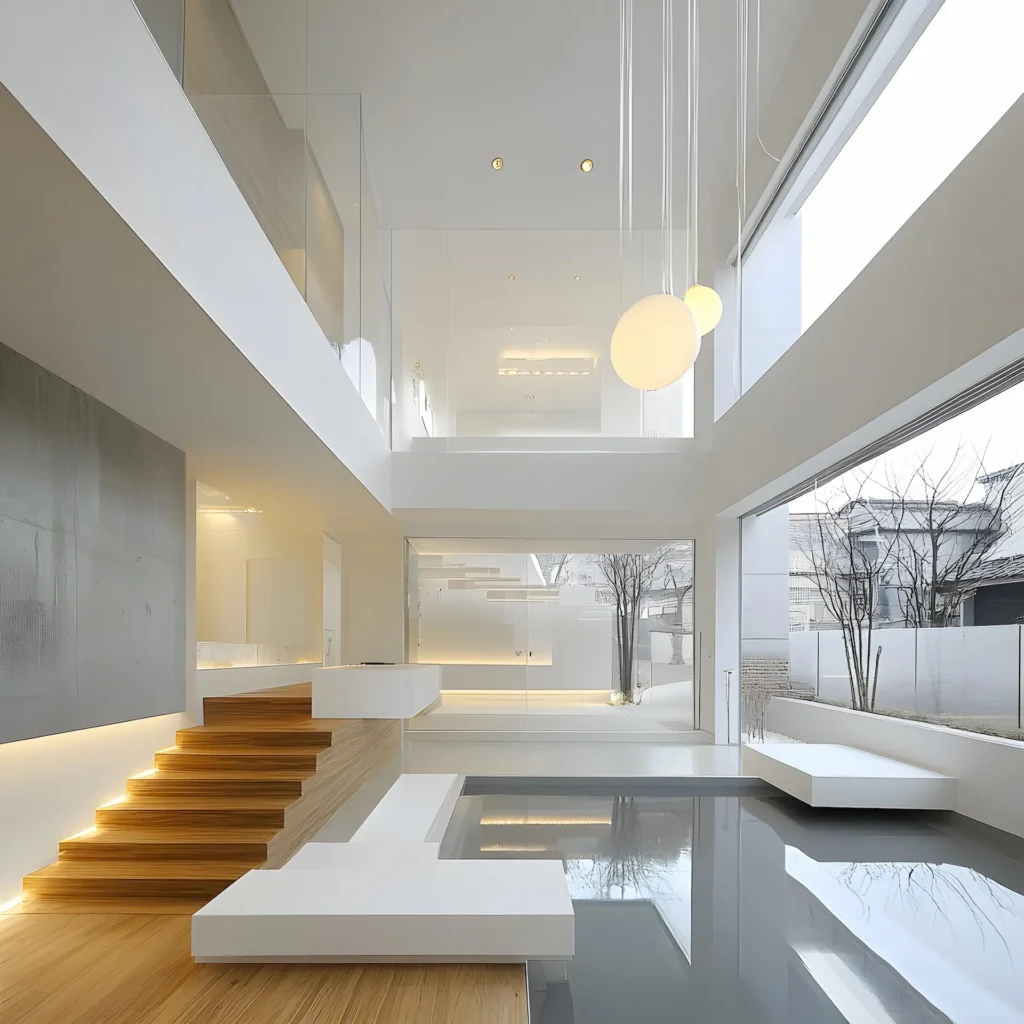
Architecture often lives or dies in the details, and it’s here that slim aluminium systems truly shine. Where traditional doors might introduce bulky tracks or raised thresholds, minimal systems erase them. A true zero-threshold sliding door, for instance, allows flooring to run continuously from living room to terrace without interruption.
The TRIO curtain wall system demonstrates this beautifully, integrating drainage and ventilation invisibly within its slim 35 mm sightline. The result is a façade that looks effortless, even though it’s working hard to manage climate, moisture, and performance.
Traditional systems often require awkward junctions, visible fixings, or third-party add-ons. Slim aluminium systems, by contrast, integrate everything — from shading automation to weather protection — in a way that keeps the visual language clean and consistent.
Of course, beauty means little without performance. Traditional timber frames can warp, crack, or fade over time. Standard aluminium, when bulky and untreated, can corrode or overheat. Slim aluminium systems are engineered with longevity in mind: thermal breaks for energy efficiency, corrosion-resistant finishes for durability, and seals that hold up against sand, dust, or heavy rainfall.
In short, they marry the visual lightness of minimalism with the durability demanded by daily use. They don’t just look good in a showroom; they perform in the long run.
Traditional systems often require piecemeal detailing, where windows, doors, and façades come from different sources. This can create visible junctions, varied material languages, and detailing that feels disjointed.
Slim aluminium systems, by contrast, are designed to integrate seamlessly across a project. With TRIO curtain walls, EXPANSE sliding doors, and ALTA entrances, architects can create a unified façade strategy — consistent sightlines, zero-threshold detailing, hidden drainage, and smart-home compatibility all working together. The drawback? This integrated approach requires early planning and careful specification, whereas traditional systems can sometimes be adapted on the fly.
Traditional window and door systems have their place, particularly in heritage architecture or projects that call for solidity and weight. But for modern residential design — where views, light, and seamless transitions define luxury — slim aluminium systems offer a different level of experience.
They make rooms brighter, spaces larger, and façades cleaner. They allow entrances to act as statements rather than afterthoughts. And with systems like EXPANSE sliding doors, ALTA pivot entrances, and TRIO curtain walls, architects and engineers have the tools to build with clarity and confidence.
In the end, the question isn’t whether slim aluminium systems are better than traditional ones. It’s whether you want your architecture to look back — or to look forward.
So which is better: slim aluminium or traditional systems? The answer depends on the architecture itself.
For many architects today, slim aluminium systems are less a trend and more an evolution — the logical next step in designing spaces that feel both luxurious and livable. With products like EXPANSE, ALTA, and TRIO, the possibilities expand far beyond what traditional systems can offer, giving the architect freedom to decide what takes center stage: the frame, or the view.
Explore Expanse View’s luxurious collection of bespoke, slim aluminium systems.


Learn more about applications of slim aluminium systems and beyond. The ExpanseView team is ready to help.