

In architecture, every choice is a balancing act: performance and beauty, strength and restraint, transparency and privacy. Slim aluminium systems sit right at the center of this balancing act.
Their ultra-narrow frames and technical capabilities make them indispensable to contemporary design—but only if you know how to use them well. Here are five key considerations for architects and engineers looking to get the most out of these systems.
On top of providing the structural frame of a building, slim aluminium systems can also alter the experience of being inside. From deciding what takes center stage in a view, to designing for scale, thresholds, performance, and detailing, these systems offer both freedom and responsibility. Used thoughtfully, they create architecture that feels open, durable, and refined.
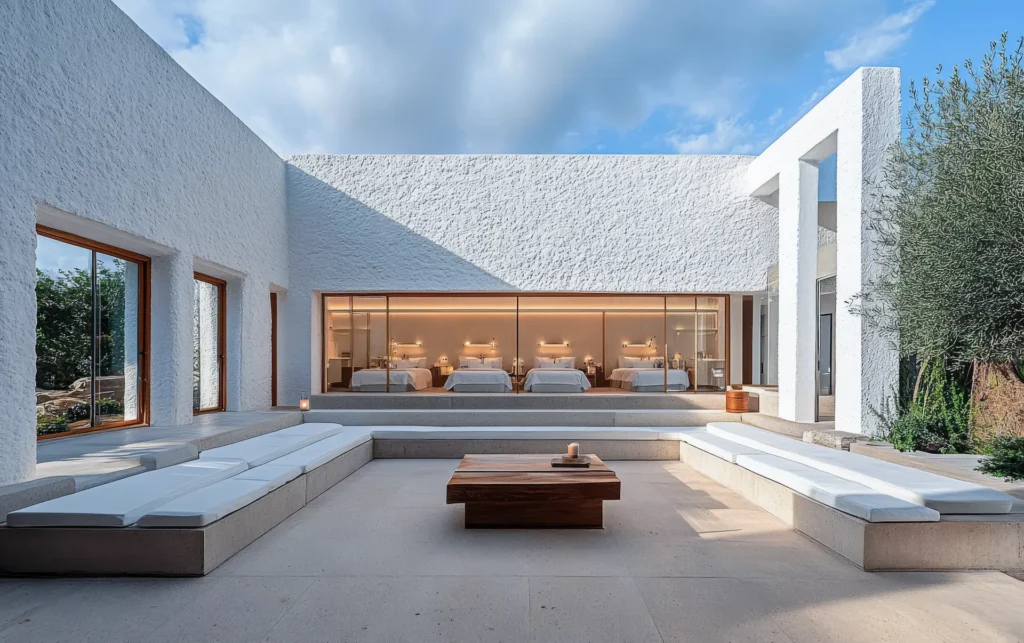
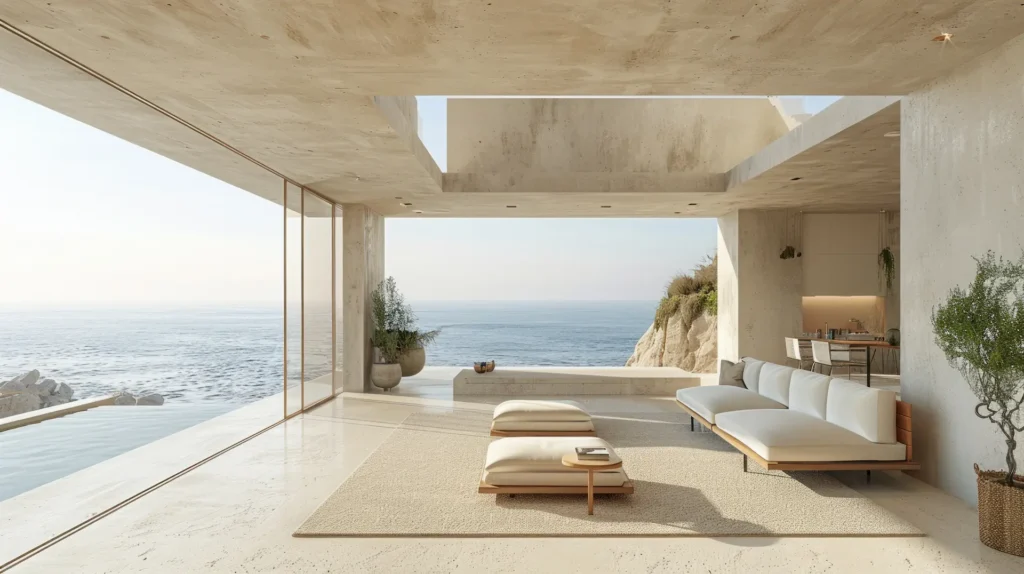
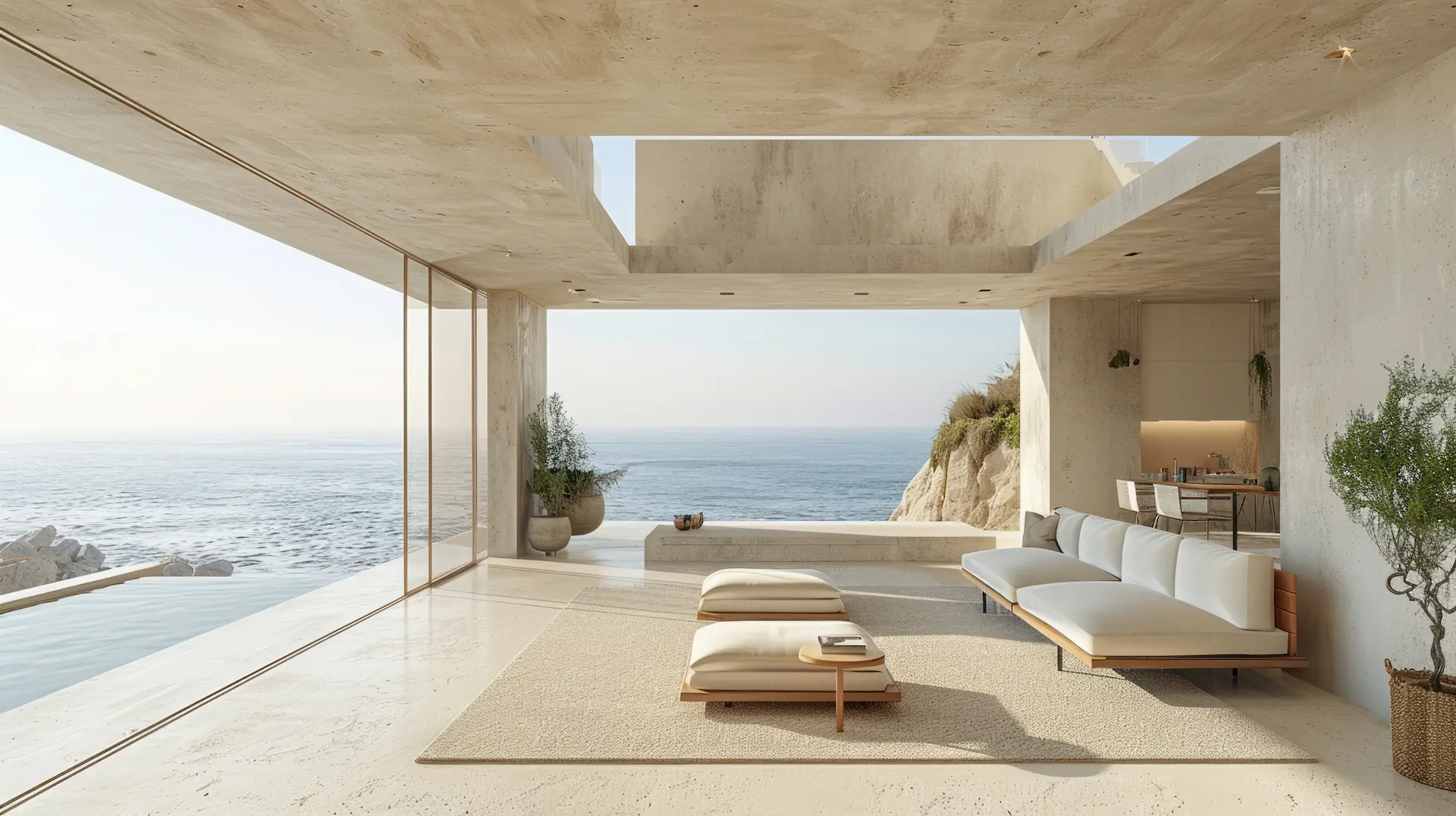
The first question’s simple: what do you want people to notice? Is it the sweeping city skyline, the courtyard garden, or the distant horizon shining on the living room space?
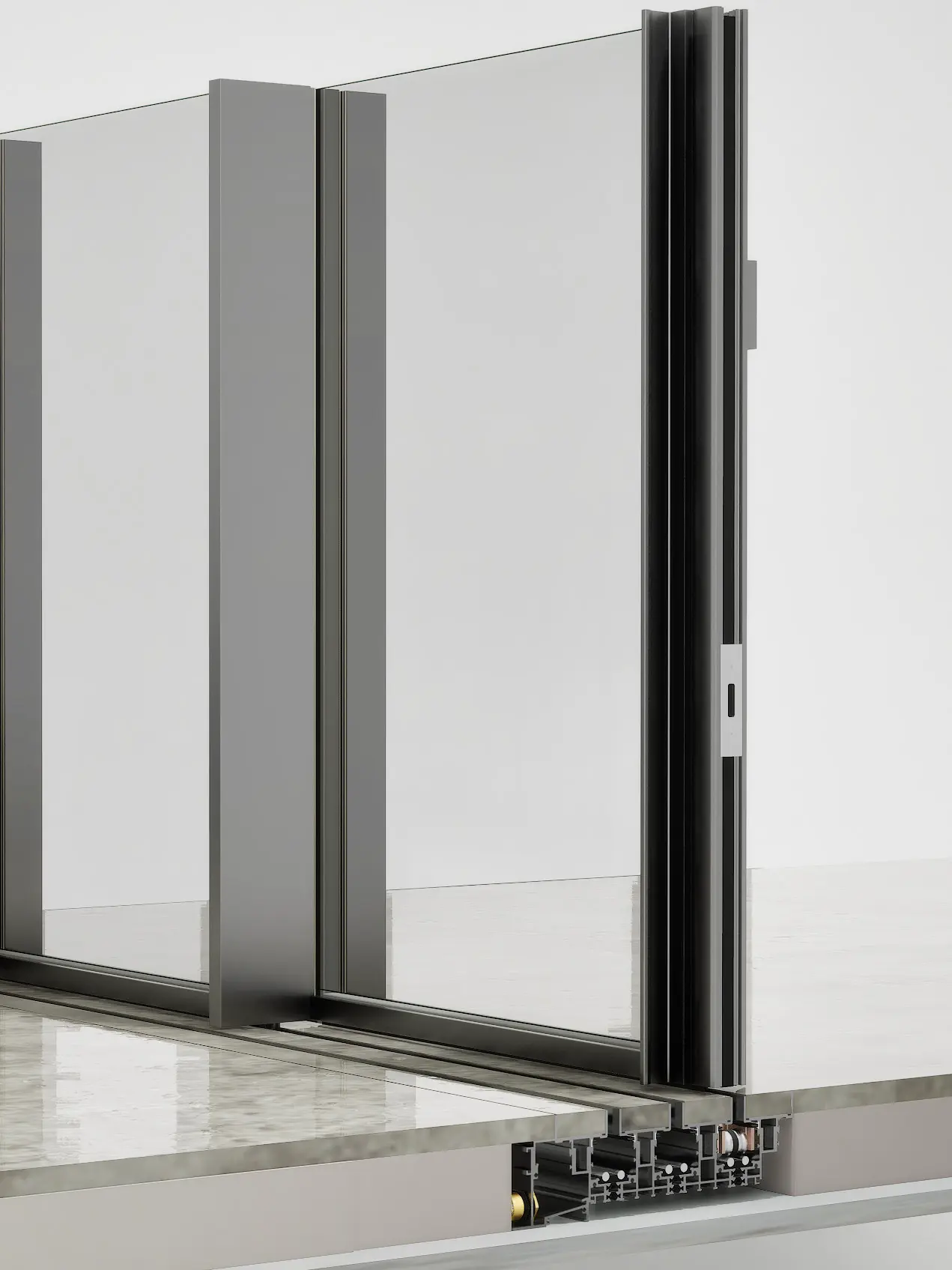
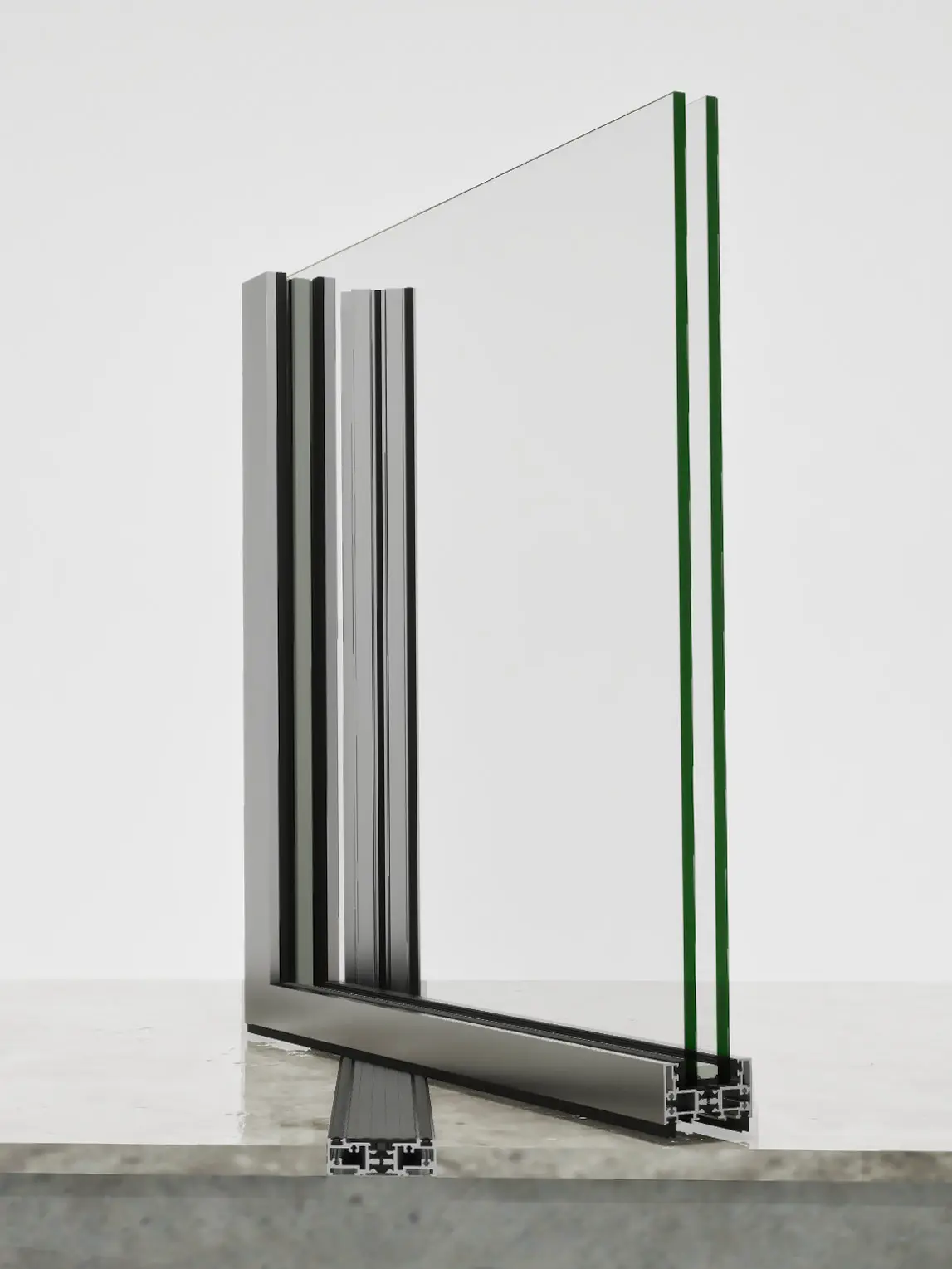
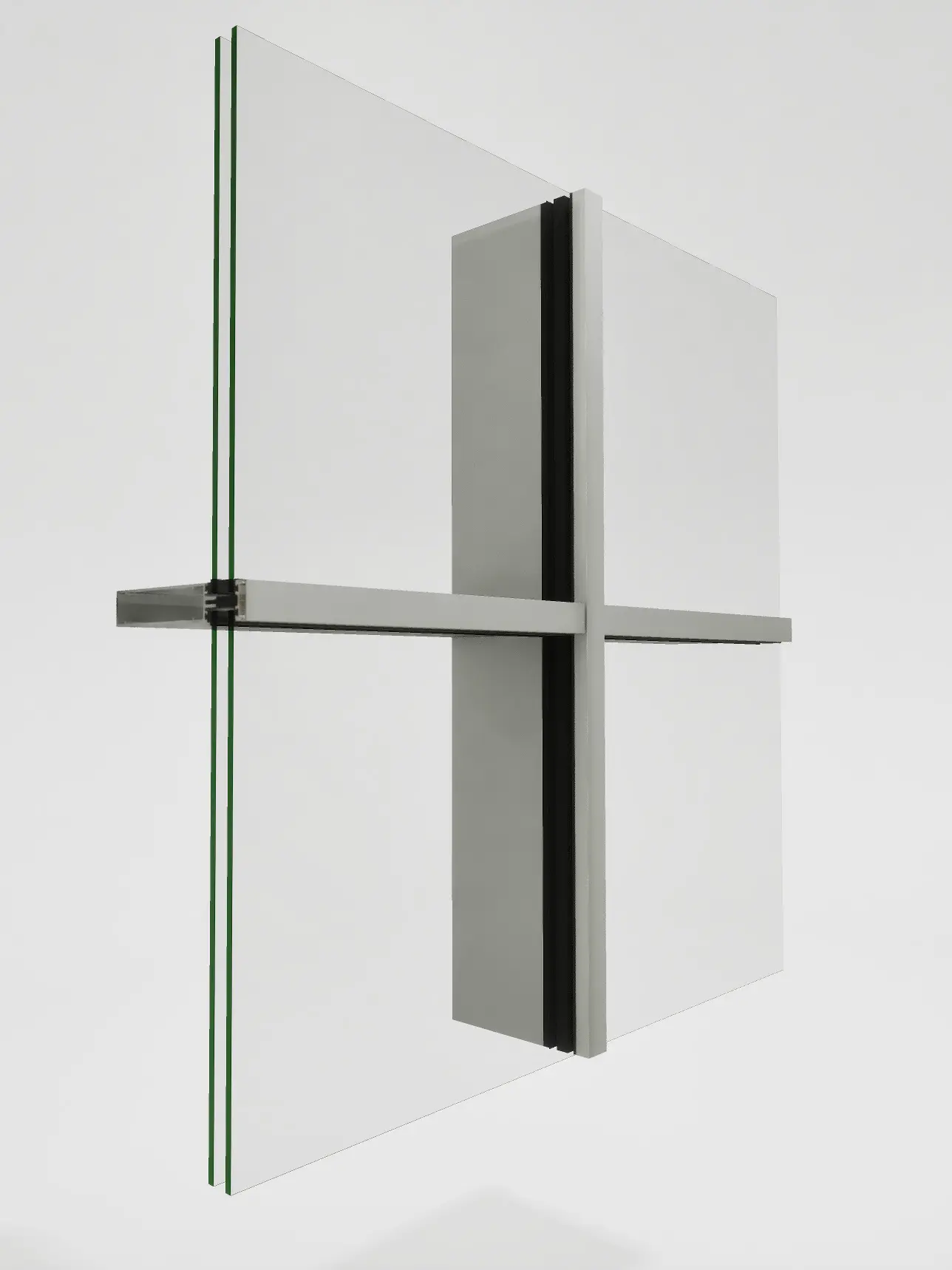
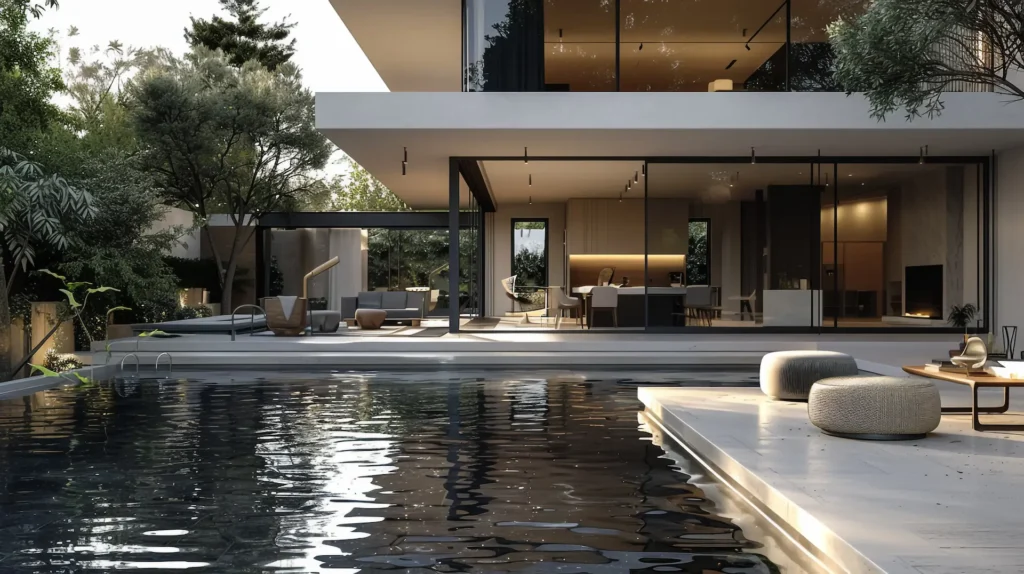
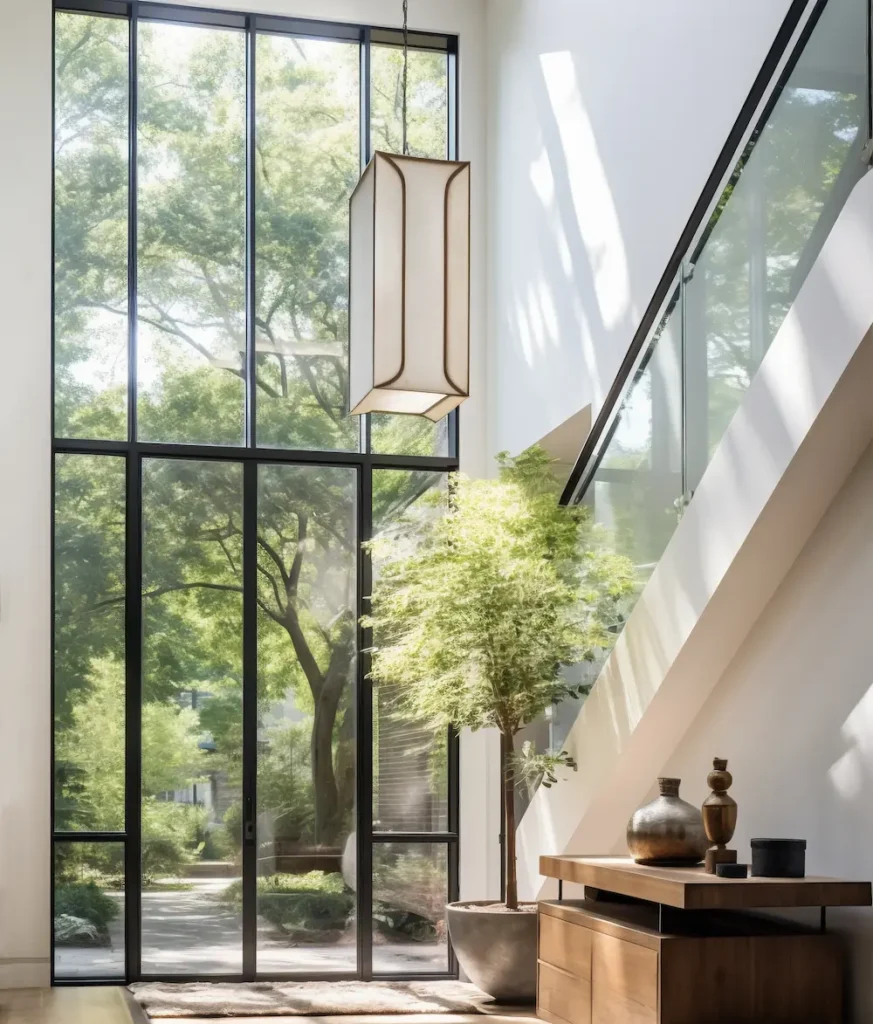
If there’s a view worth savoring, then it’s a job for slim aluminium systems. Sliding door systems, like the EXPANSE, have sightlines starting at just 22mm, and curtain walls like the TRIO system start only at 35mm.
With ultra-slim sightlines like these, minimal aluminium systems let the views speak for itselves. Hidden, but not unstructured; framed, but not distracting. It’s proof that the quietest designs are often the most beautiful solutions.
When it comes to architecture, minimalism may suggest restraint in size, but in reality, slim aluminium systems thrive in the realm of scale.
Take the EXPANSE sliding door system: they’re engineered to support panels that stretch up to 6 meters high and span 18 square meters in a single piece. Plus, with panels weighing up to 500 kg manually or 1,000 kg motorized, they give architects the freedom to push boundaries—literally.
The remarkable thing is that, despite their size, these doors and walls move with grace. Silent gliding tracks, for instance, make the movement feel effortless, which means you can design spaces that are grand in ambition, but delicate in execution.
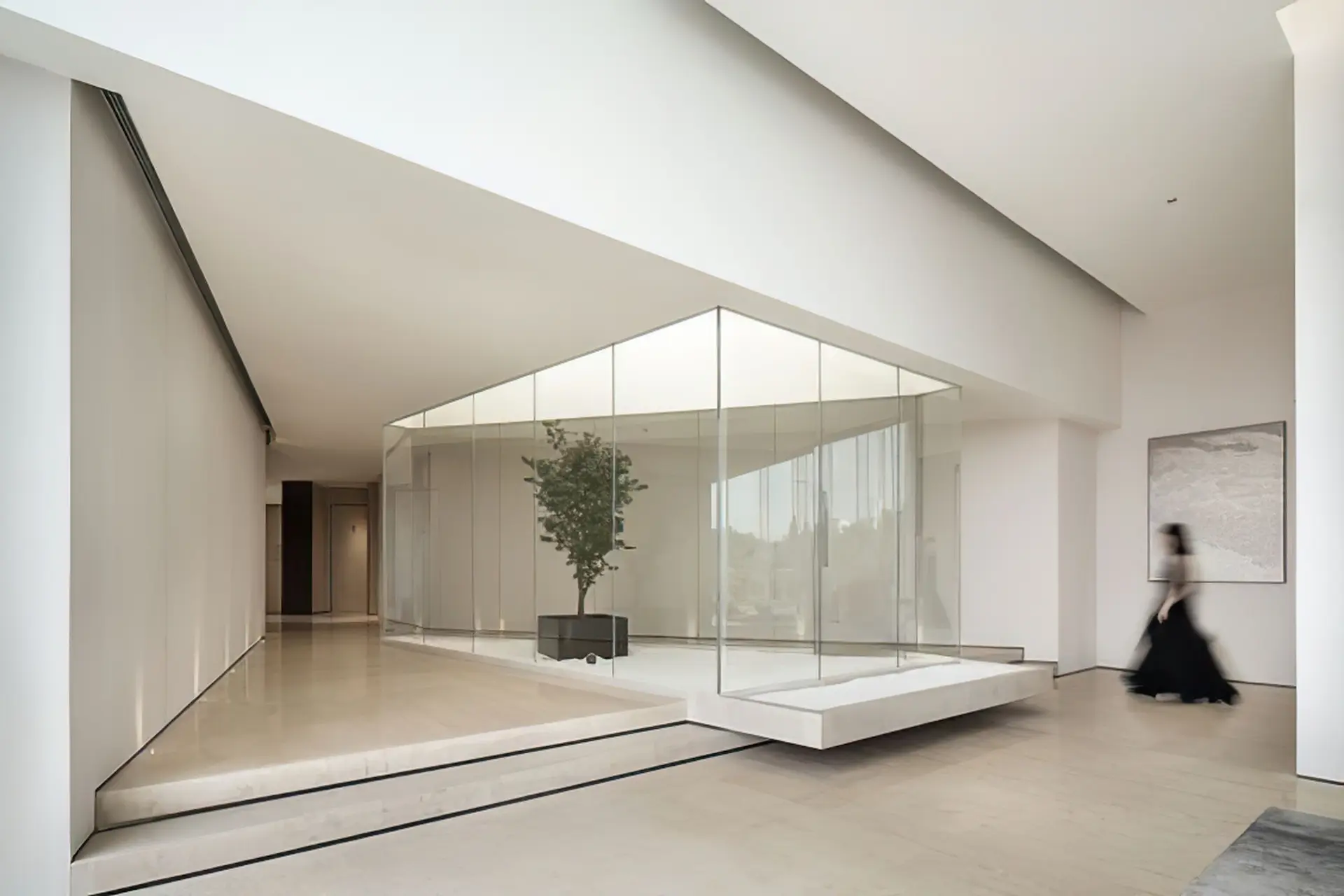
Thresholds are where design often stumbles—a raised lip here, a visible track there, and suddenly the illusion of continuity is broken. Slim aluminium systems solve this with fully concealed tracks and true zero-threshold detailing. Floors remain flat, clean, and uninterrupted.
This isn’t only an aesthetic choice, though it certainly looks beautiful. It’s also practical. Zero thresholds make spaces safer and more accessible, opening doors to barrier-free living that’s both luxurious and inclusive. And, with integrated linear drainage hidden within the system, even heavy rainfall is accounted for without breaking visual smoothness.
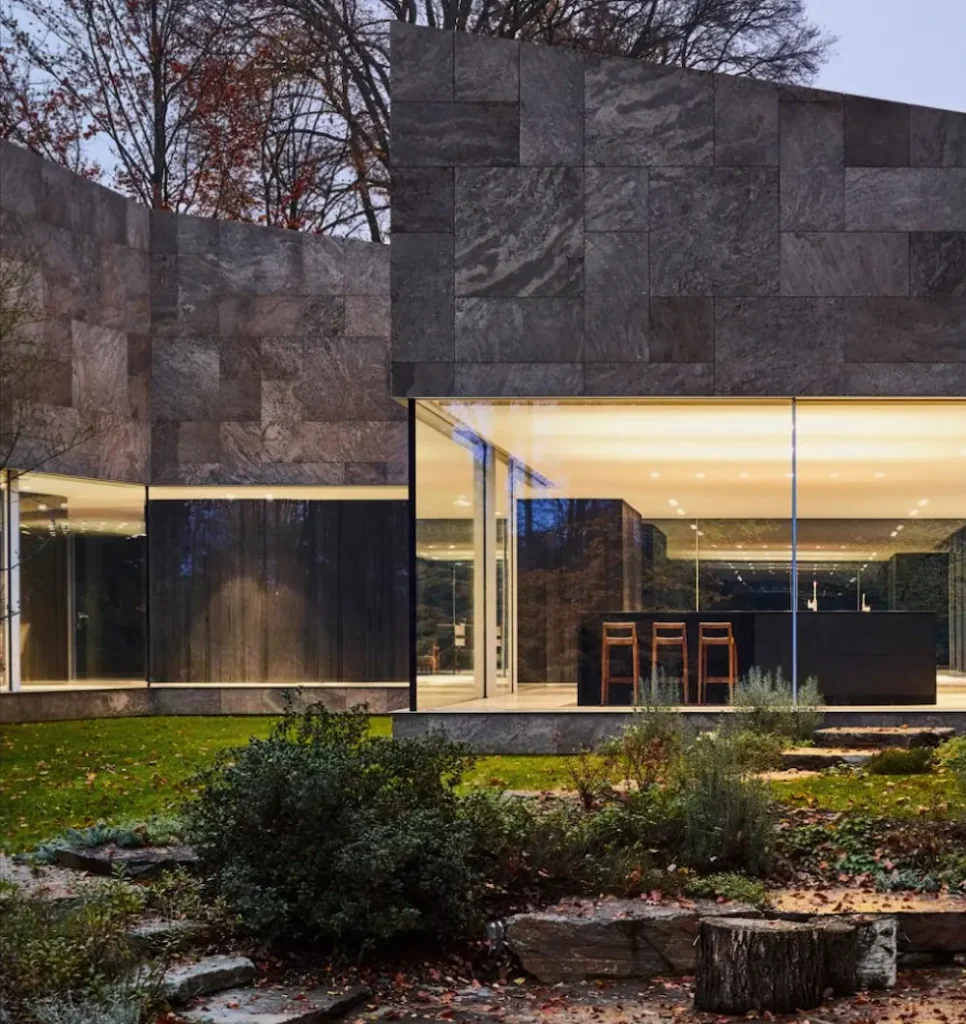
Don’t be fooled by their ultra-thin frames—slim aluminium systems are built to handle elements with quiet confidence.
Thermal breaks within the profile improve insulation, keeping interiors cooler in the summer and warmer in the winter. Corrosion-resistant finishes ensure longevity, even in challenging environments.
And, because rain has a way of finding the smallest gaps, these systems integrate hidden drainage to keep façades healthy and dry. That means you can achieve the architectural clarity you want without worrying about water infiltration or performance failure over time. Because climate, after all, is never just background. Choosing slim aluminium systems is a way of respecting natural surroundings while still designing with ambition.
Finally, the beauty of slim aluminium systems lies in how well they play with others.
Profiles align with stone, plaster, or timber. Sightlines connect neatly with wall build-ups. Smart-home compatibility allows integration with shading, automation, and sensors.
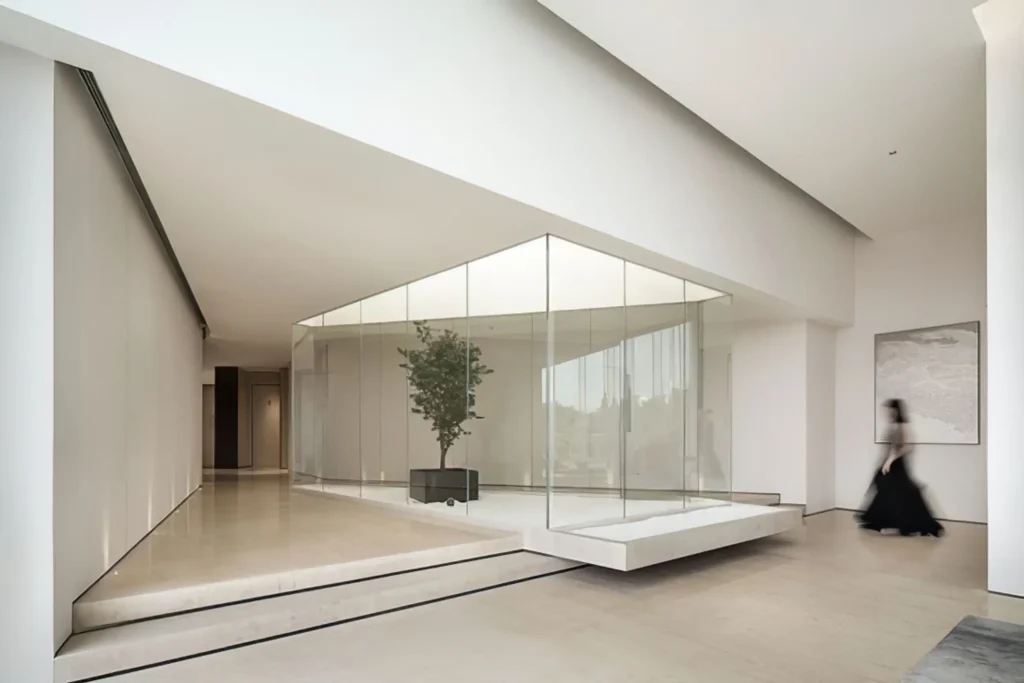
For architects, this means the earlier you plan their integration, the cleaner the result. Want a corner of glass without a visible frame? Or a multi-track pocket door that disappears into the wall? Slim aluminium systems can do it, but only if you anticipate it in the design phase.
Choosing slim aluminium systems is less about a single decision, and more about a design philosophy. It’s the belief that views should be celebrated, not obstructed, and that performance should never compromise elegance. For architects and engineers, these systems represent the convergence of technical mastery and design clarity.If you’re curious to learn more, ExpanseView has 12 years of experience to help you choose the right minimal aluminium systems for your project. Whether you’re looking into sliding doors, pivot doors, or curtain walls, their team can help you figure out how to best integrate details into your design.
Get in touch now
Explore Expanse View’s luxurious collection of bespoke, slim aluminium systems.


Learn more about applications of slim aluminium systems and beyond. The ExpanseView team is ready to help.